

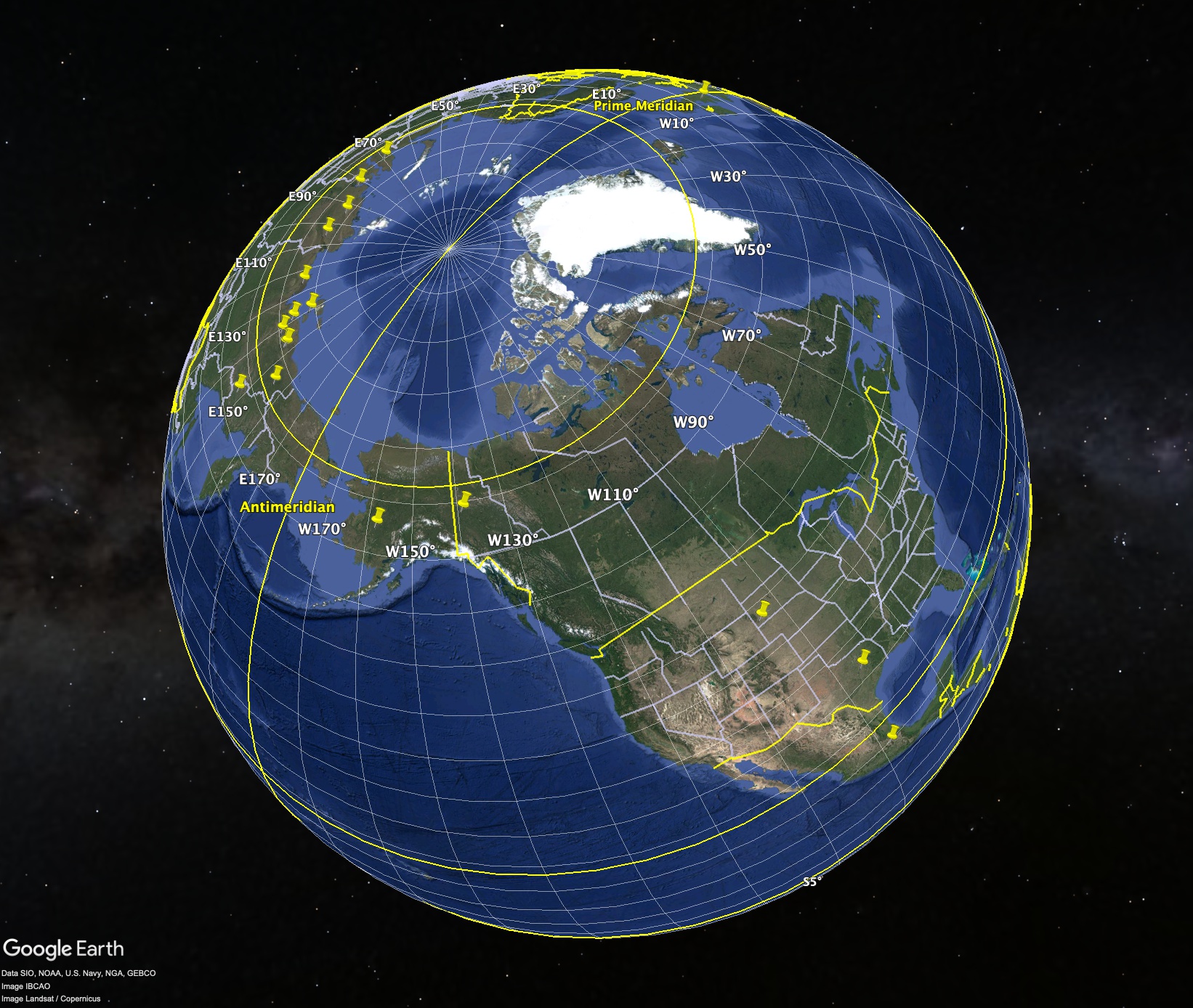
An Inconvenient Theory continues the search for evidence of ancient civilizations that may have existed long before the end of the last Ice Age. While many researchers have focused on deciphering the technologies behind so-called “out of place” artifacts, my first book, Before Atlantis, takes a different approach—challenging mainstream views of prehistory by investigating site alignments with ancient geographic poles as potential markers of lost civilizations. Building on this foundation, my second book, Beyond Atlantis, presents compelling evidence—drawn from the alignments of over 500 ancient sites to four former pole locations—that multiple advanced civilizations may have existed across the globe over the past 130,000 years.
That so many sites seem to point to these four locations had to mean something. The odds of this happening by chance were virtually zero. At a recent conference, someone said the statistical significance of the alignments cannot be disputed, only the dating, and went on to suggest that I should change the dates to be more in line with “what we already know.” The first three chapters in An Inconvenient Theory highlight key problems with current theories, with “what we already know.”
Chapter 1 – The Riddle of the Ice Ages
Earth’s climate history is marked by dramatic shifts influenced by complex interactions among atmospheric composition, tectonic activity, and solar radiation. In Chapter 1, we show that ice ages, particularly during the Quaternary period, show strong correlations between temperature, CO₂ levels, and sea level, though changes in these variables do not happen simultaneously. While Milankovich cycles—variations in Earth’s orbit and tilt—are thought to initiate glacial cycles by altering solar insolation, their weak correlation with climate proxies and the unresolved “100,000-year problem” suggest additional factors are needed to explain the timing and magnitude of ice ages. Climate feedbacks, especially from CO₂ released during warming periods, appear to amplify small orbital changes and may better explain sea level shifts, yet challenges remain in explaining glaciations, indicating gaps in current climate theories.

Chapter 2 – Mysteries of the Pleistocene
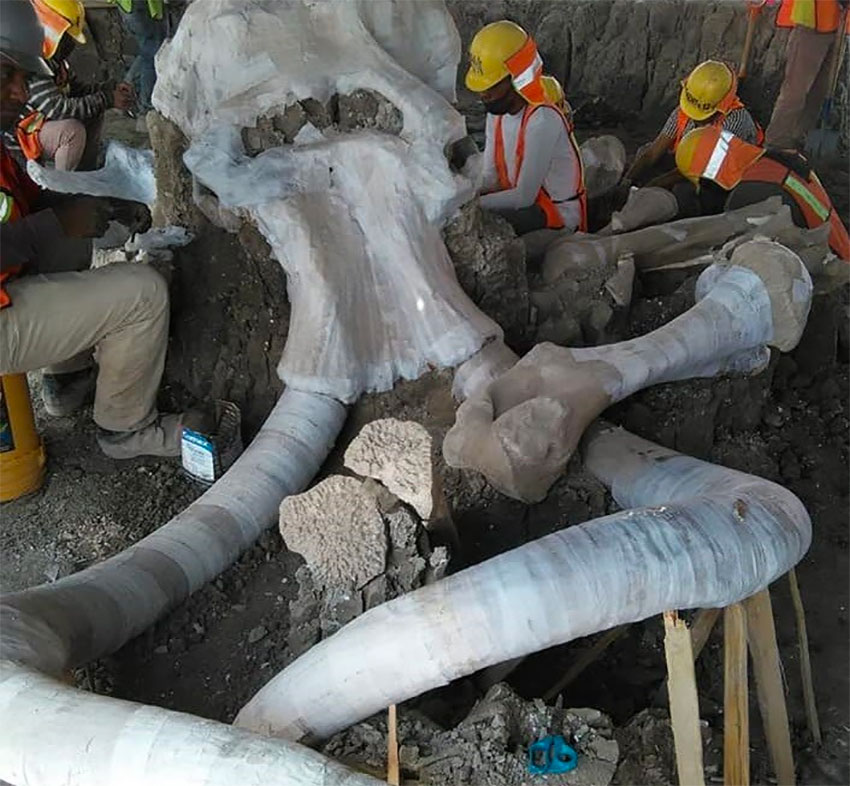
Chapter 2 explores a wide array of fossil discoveries that challenge conventional understandings of Earth’s climatic and ecological history, particularly during the late Pleistocene. The Pleistocene Epoch, spanning from approximately 2.6 million to 11,700 years ago, was characterized by significant climatic fluctuations, leading to the formation and retreat of extensive ice sheets across the globe. These dynamic environmental changes influenced the distribution and evolution of diverse megafauna, including woolly mammoths, giant ground sloths, and saber-toothed cats. Fossil discoveries in regions like the Arctic, Sahara, and Australia reveal that these areas once hosted ecosystems vastly different from today’s, indicating dramatic shifts in climate and habitat. Ultimately, the chapter underscores how puzzling fossil records from diverse locations point to episodes of extreme environmental transformation during the late Quaternary that are not fully explained by current scientific models.
Chapter 3 – As Above, So Below?
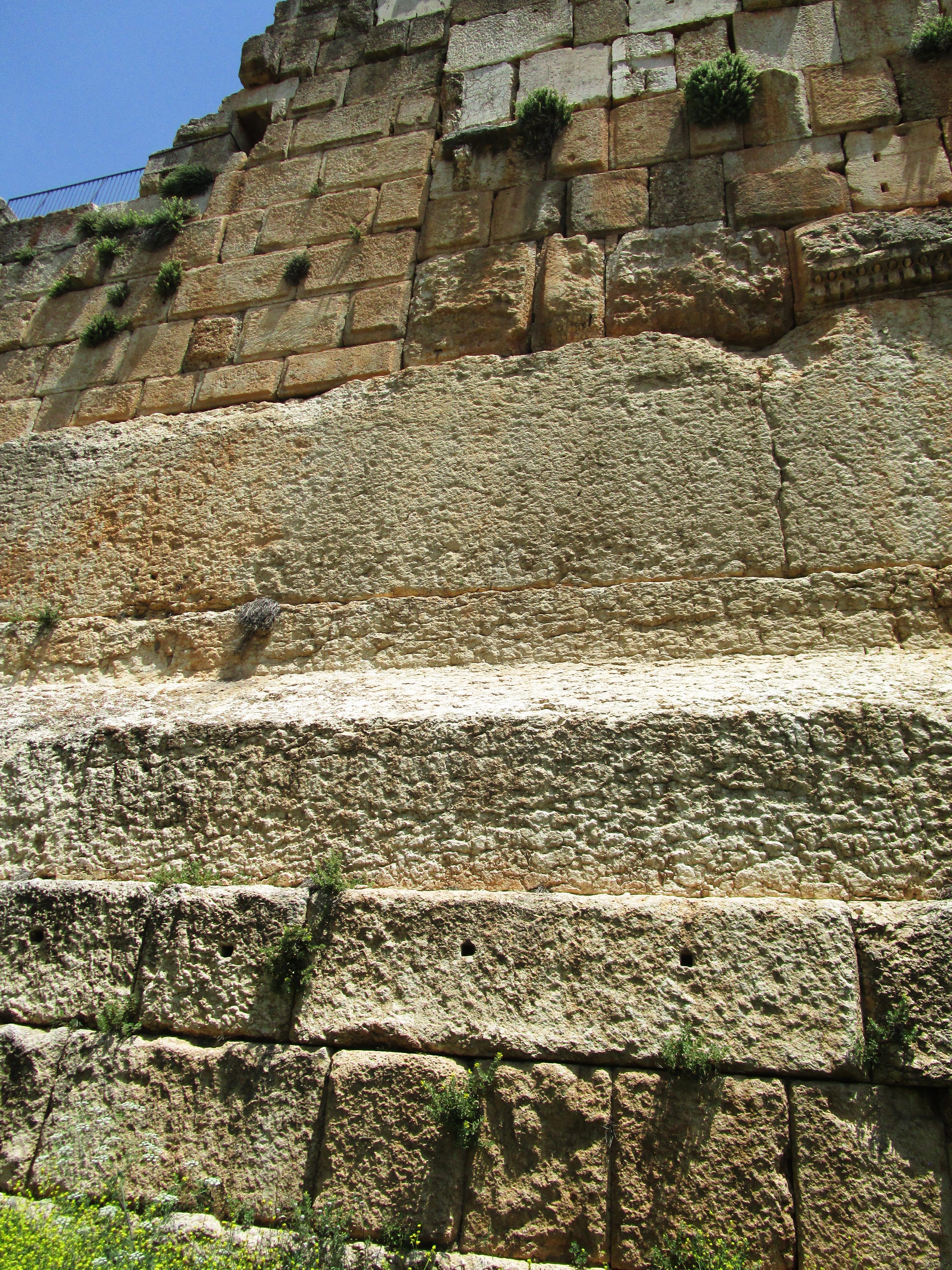
The concept of “As Above, So Below” from Hermetic philosophy suggests a fundamental unity between the cosmos and the Earth, an idea that has long inspired the alignment of ancient structures with celestial phenomena. Archaeoastronomy—the study of how ancient people understood and utilized astronomical events—has uncovered evidence that many sites across the globe were deliberately oriented to align with the Sun, Moon, stars, or cardinal directions, as seen in places like Stonehenge, Karnak, and Chichén Itzá. Pioneers such as Norman Lockyer and Alexander Thom proposed bold theories about these alignments, some controversial, laying the foundation for this multidisciplinary field. As we see in Chapter 3, despite significant progress, a large fraction of ancient site orientations remain unexplained, with places like Teotihuacan, Machu Picchu, and Baalbek defying easy categorization. These enigmatic alignments challenge modern researchers to consider not only astronomical, but also cultural, geographical, and possibly unknown factors in interpreting the intentions of ancient builders, leaving the question open as to whether deeper, perhaps lost knowledge once guided these monumental designs.
The next article describes how these unexplained problems or anomalies drive the scientific process of coming up with new hypotheses, experiments, and ultimately a new theory.
Feature image at the top of the article: Mammoth remains radiocarbon dated 10,000–20,000 years before present unearthed near Mexico City in 2020. (Mexico News Daily)
Discover more from Before Atlantis
Subscribe to get the latest posts sent to your email.


2 Replies to “An Inconvenient Theory: Part 1 – The Anomalies”