

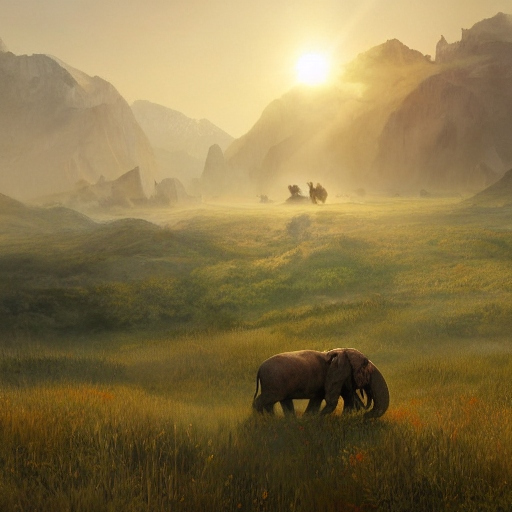
During the Last Glacial Maximum (LGM), the Mammoth Steppe was a vast region that stretched from the Iberian Peninsula in western Europe, across Eurasia, through Beringia, and into North America. Besides the woolly mammoth, reindeer, muskox, antelope, bison, horses, and the woolly rhinoceros lived there during the North American ice age. Now extinct, the mammoth, which weighed up to nine tons, is estimated to have required about four hundred pounds of food each day to survive. With numerous mammoth remains found in Siberia above the Arctic Circle, it is a mystery how an animal the size of an elephant was able to find that much food in such a barren place.

Explaining the Thickest Ice on Earth
As Earth warms, sea levels rise as ice at the poles melts. Similarly, as Earth cools, sea levels fall as glaciers form at the poles.
In the north polar region, the thickest ice is in the mountainous interior of Greenland, about 1200 miles from the North Pole. In Antarctica, the thickest ice is not at its center at the South Pole but almost 1000 miles away in the high plateau of Eastern Antarctica.
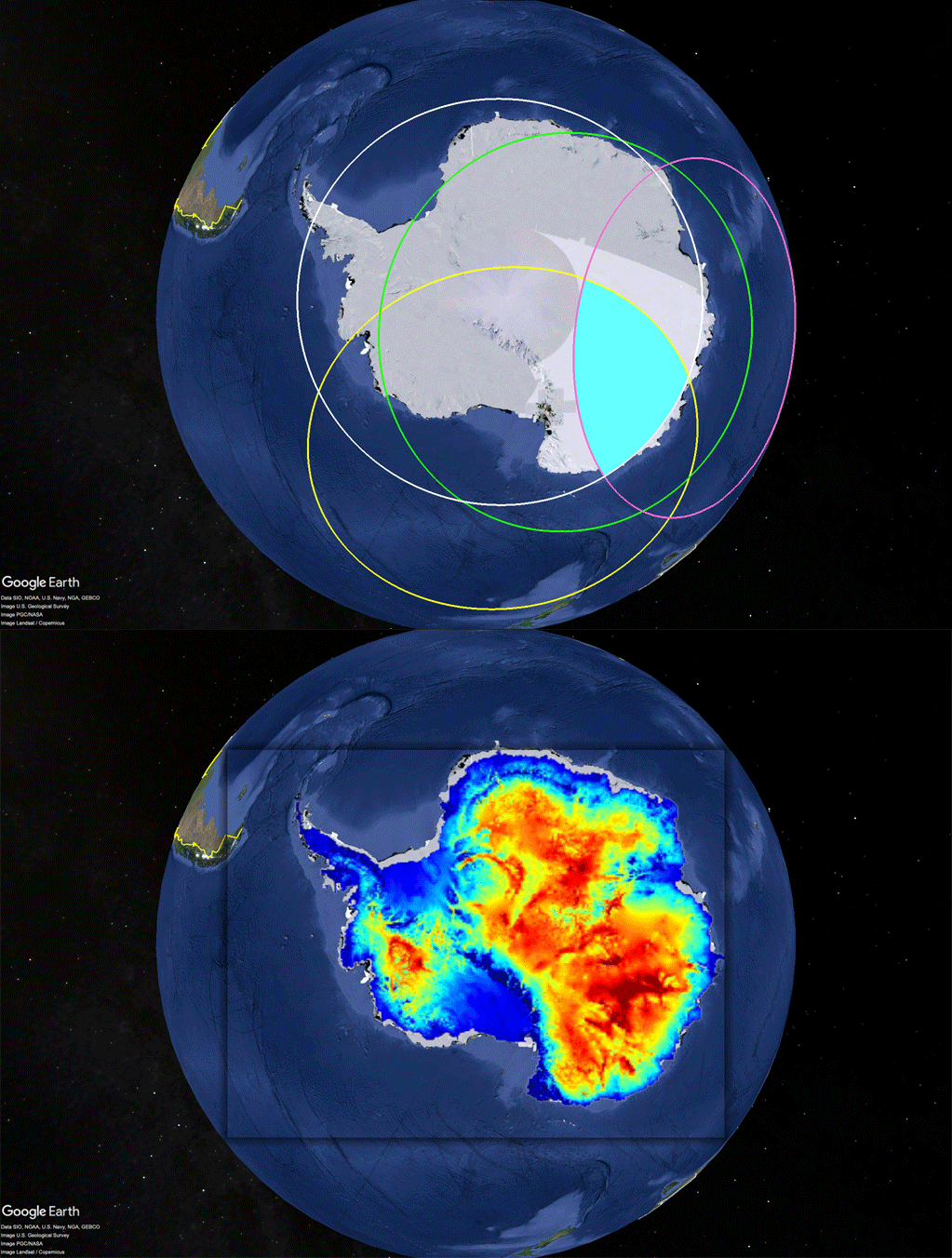
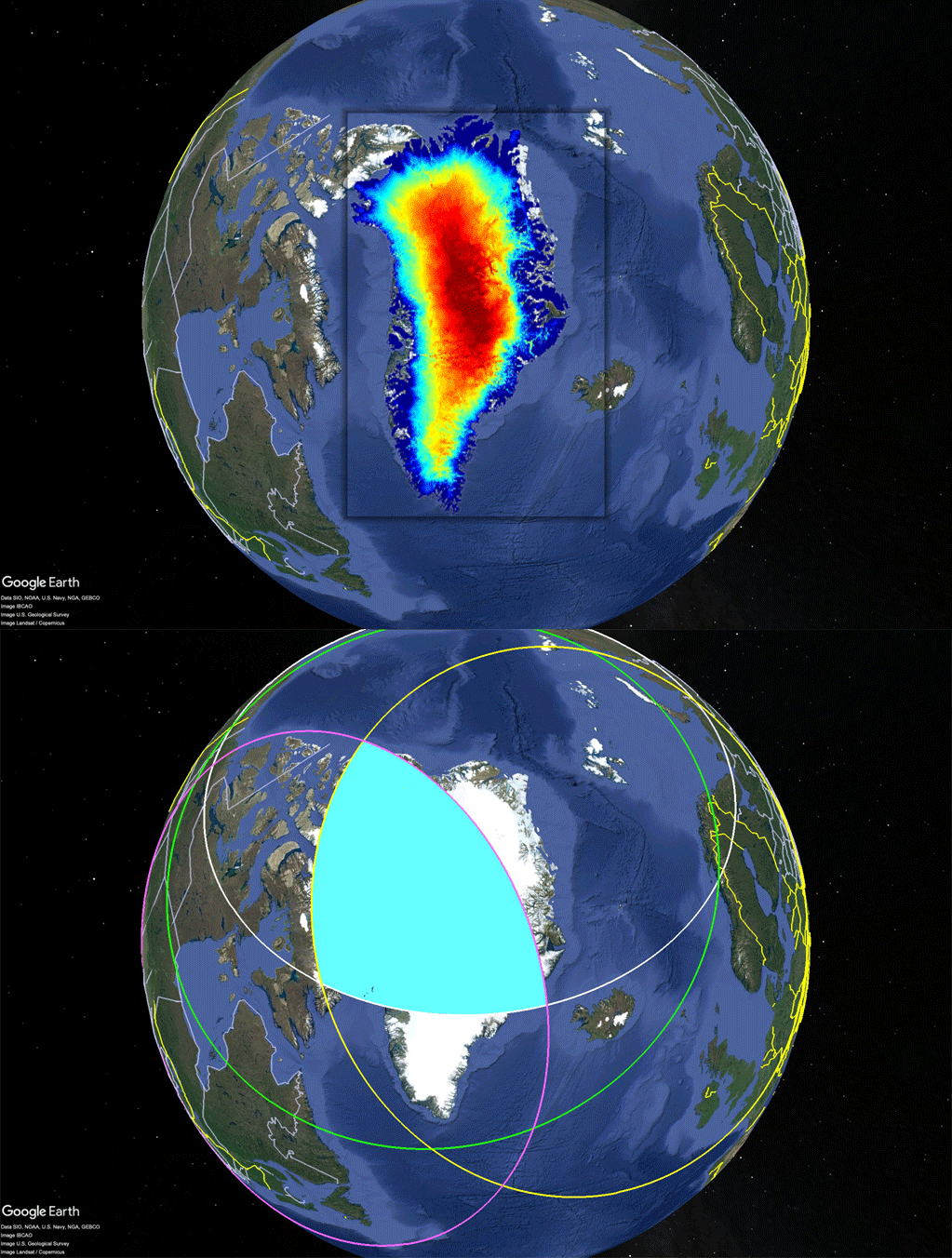
In the case of Greenland, the ice sheet has been accumulating for over 110,000 years, with some of the oldest ice found dating back over 800,000 years. But why is the ice in Greenland just as thick in Antarctica, and why it is located where it is and not at the poles?
Hapgood’s Theory of Crustal Displacement
Hapgood’s theory, which is the starting point of our research in Before Atlantis, provides a simple and compelling explanation for why the thickest ice is where it is. In a previous article, we showed that the regions of thickest ice are the regions that have remained in the polar regions during the last four crustal displacements.
All of the northern polar zone (regions above the Arctic Circle) were covered in ice during the LGM except for Siberia. Why?
According to Hapgood’s theory of crustal displacement, ice ages and inter-glacial periods are not caused by the Earth as a whole becoming significantly colder and then warmer but by different regions shifting into and out of the polar regions. If according to Hapgood’s data, now corroborated by Mark Gaffney, the North Pole were in Hudson Bay, not only would North America have been frozen under a continental ice sheet but Siberia and the whole Mammoth Steppe would have been in the temperate zone.
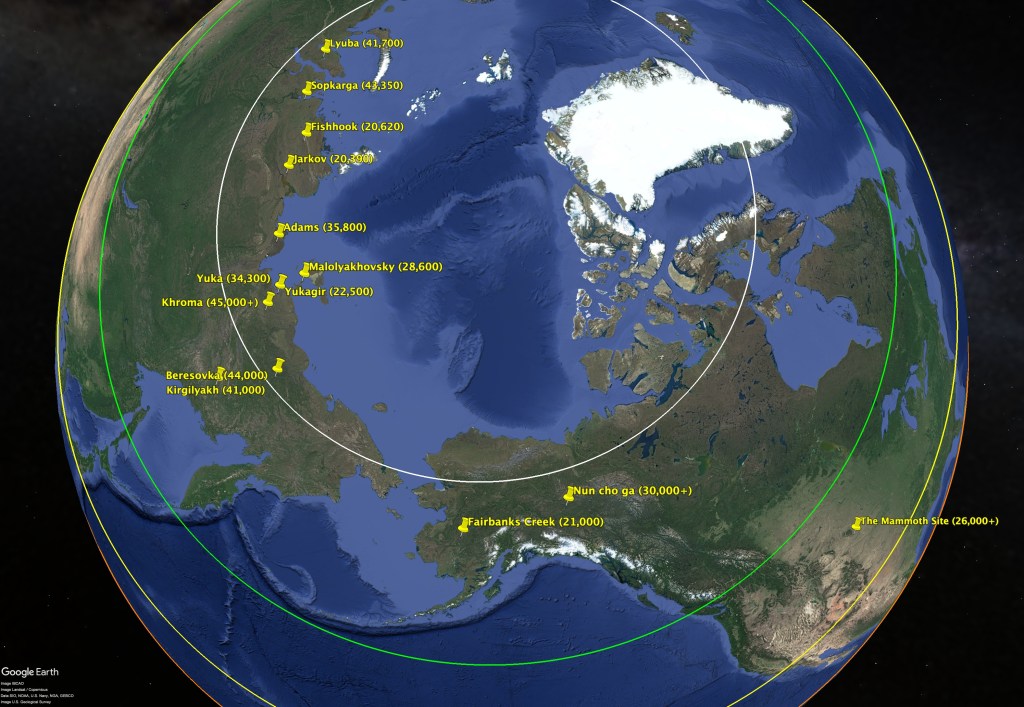
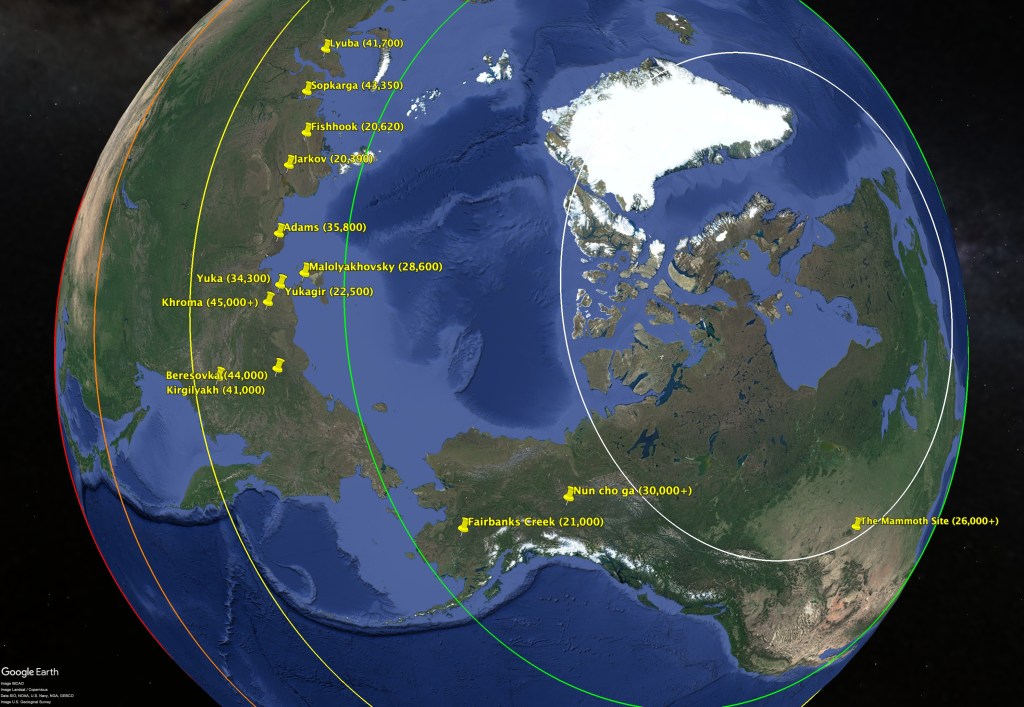
If a crustal displacement approximately 20,000 years ago shifted the North Pole from Hudson Bay to the Arctic Ocean, it would have changed Siberia from a temperate climate where mammoths and other animals that inhabited the steppe would have found more than enough food to the cold barren landscape we see today. Although the evidence is anecdotal, stories about the remains of plants that grow in temperate climates in the guts of frozen mammoth remains, support this hypothesis.
Feature image at the top of the article “Mammoth Steppe” generated by DeepAI’s Fantasy World Generator.
Discover more from Before Atlantis
Subscribe to get the latest posts sent to your email.

