An Inconvenient Theory: Part 2 – Toward a New Theory

The first three chapters in An Inconvenient Theory highlight key problems with current theories. Problems or anomalies are what drive the scientific process of coming up with new hypotheses, experiments, and ultimately new theories. Chapters 4-6 trace the development of a revised and expanded version of Hapgoodโ€™s theory.

Other Frames of Reference

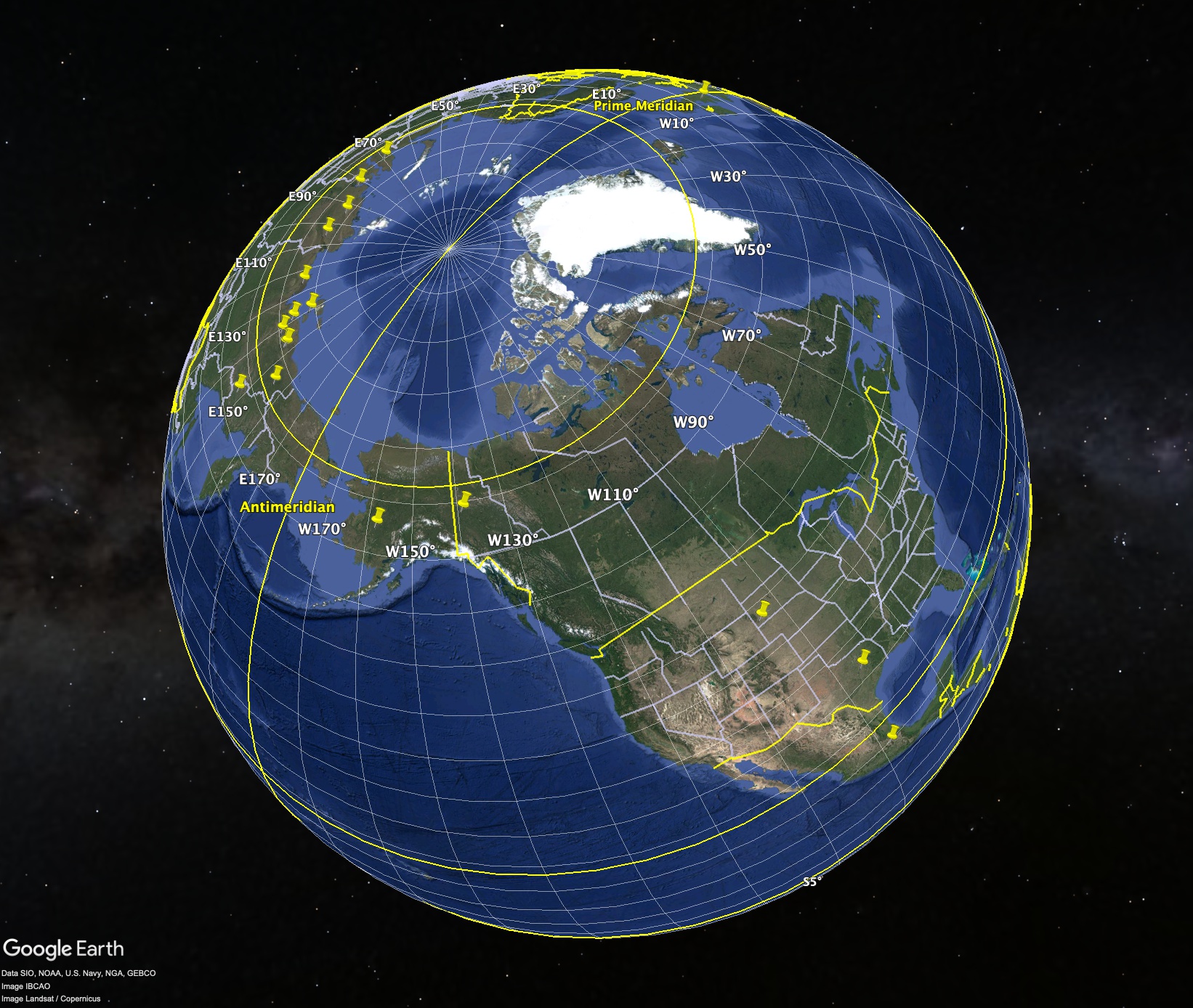
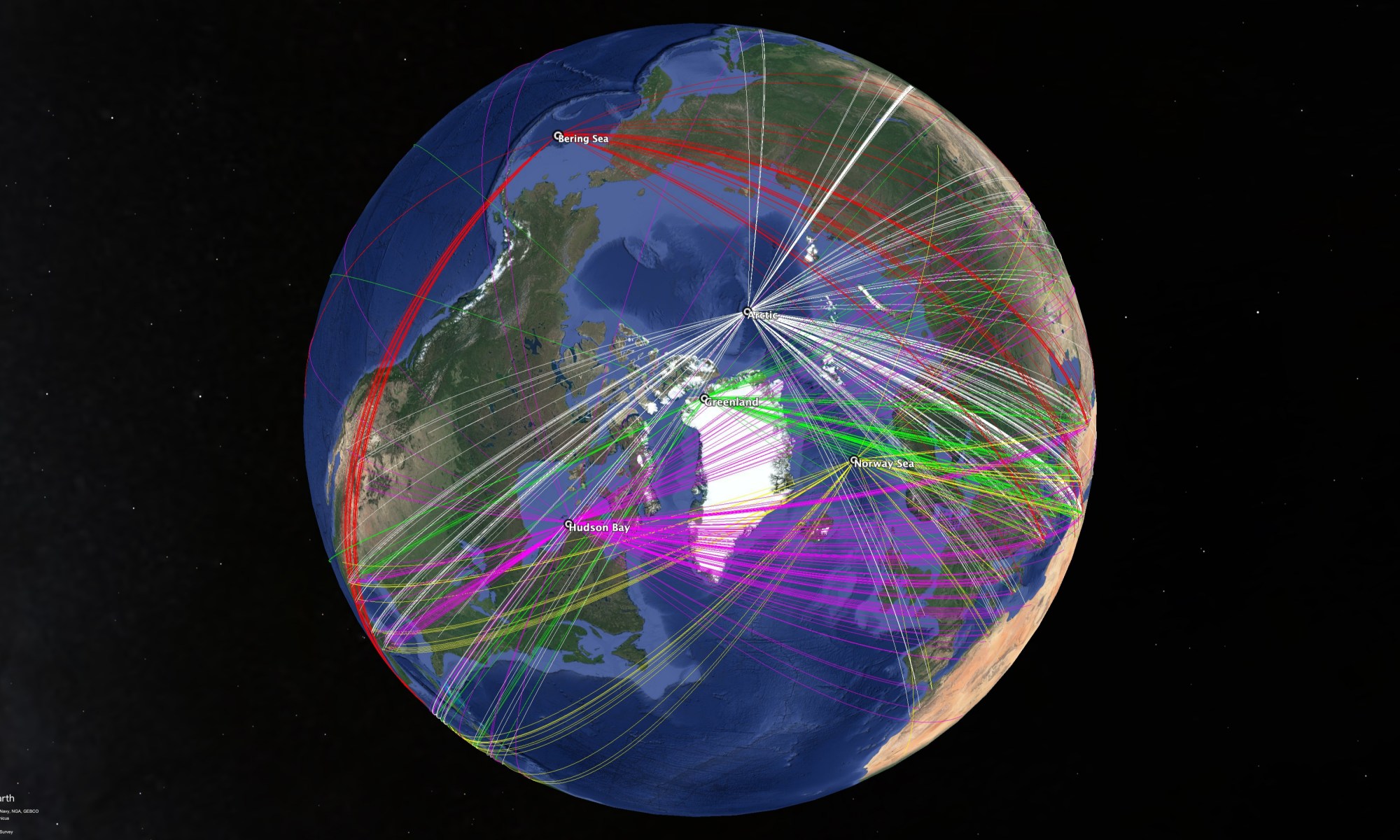
Chapter 4 examines the hypothesis that many ancient structures around the world, currently misaligned with modern cardinal or astronomical directions, may have been originally aligned to different geographic poles due to shifts in Earth’s crustโ€”a theory proposed by Charles Hapgood. Using great circle algorithms and site orientation data, analysis of over 900 ancient sites identifies four historical pole locationsโ€”Hudson Bay, Norwegian Sea, Greenland, and the Bering Seaโ€”that explain the orientations of hundreds of previously unexplained alignments. These alignments suggest a global pattern of intentional astronomical positioning consistent with solar and lunar cycles, and statistical analysis indicates the improbability of such correlations occurring by chance. This framework challenges conventional archaeology by proposing a testable, mathematical approach that supports the theory of pole shifts and has significant implications for understanding ancient civilizations and past climate changes.
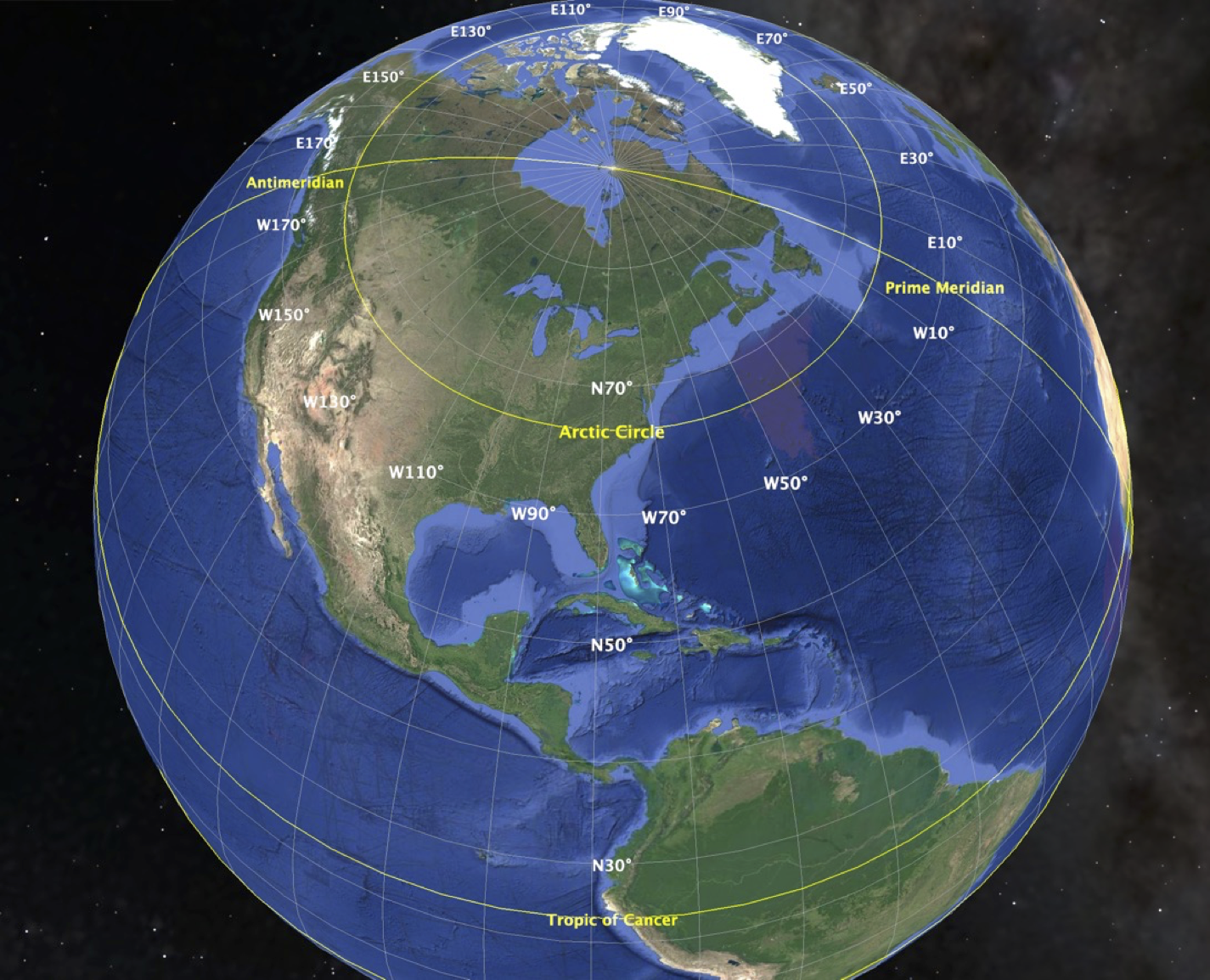
World geography redefined relative to the North Pole in Hudson Bay. (Google Earth)

How to Melt Ice in a Cold World

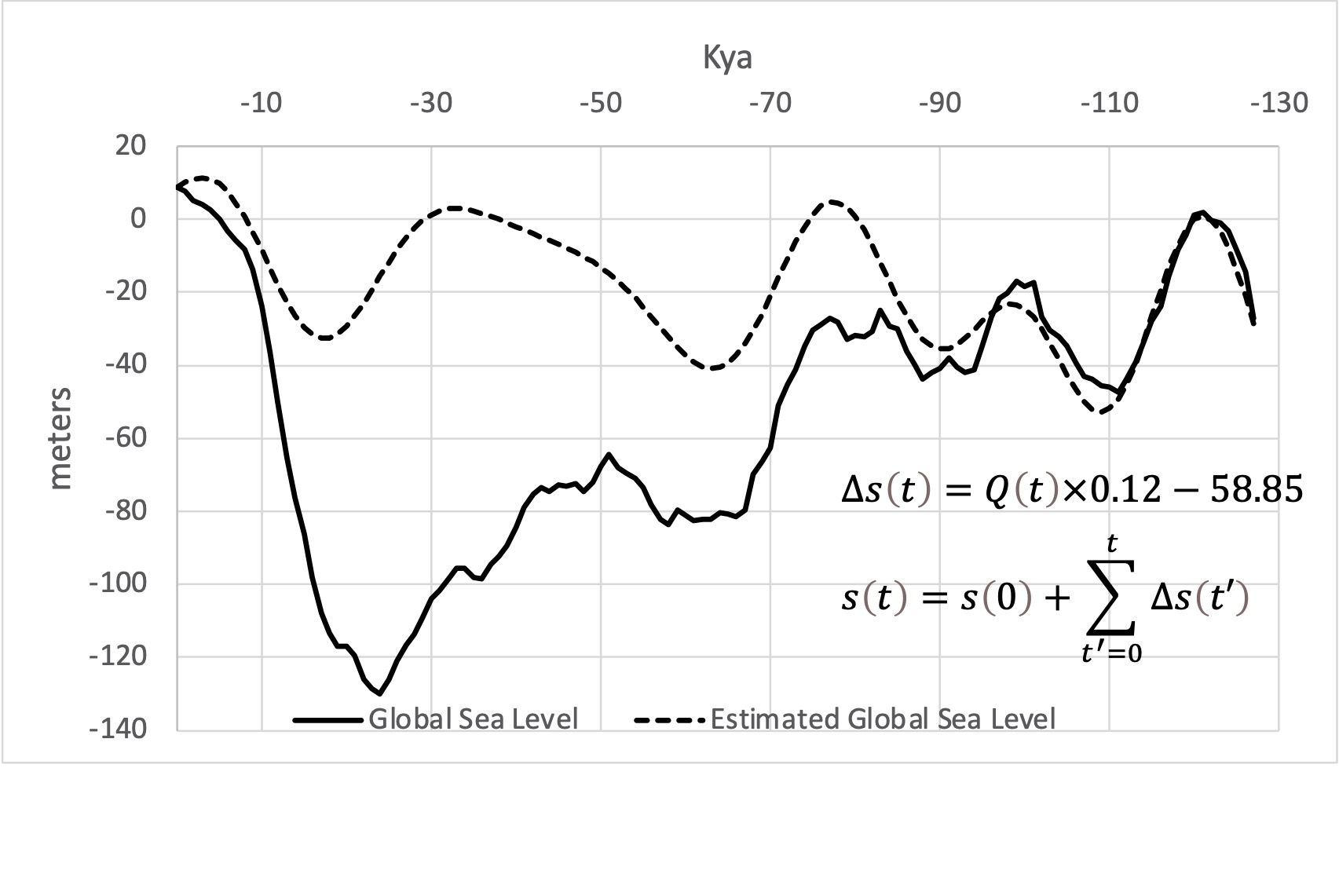
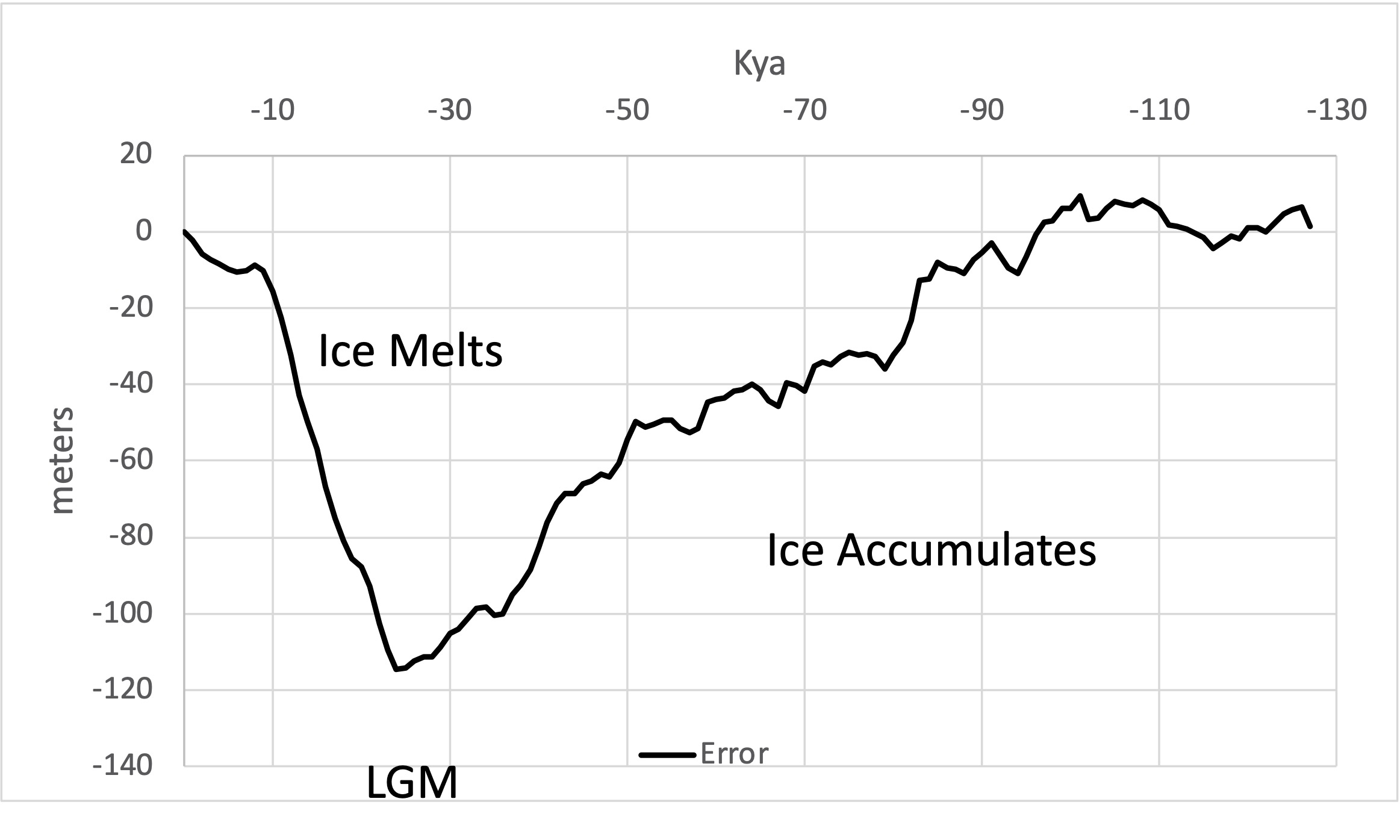
Chapter 5 explores the inadequacy of traditional climate models in explaining how massive polar ice sheets melted during the coldest periods of Earthโ€™s last glacial cycle, and proposes an alternative mechanism involving crustal displacements. Drawing parallels to Copernicus’s simplification of planetary motion, the chapter critiques existing theories like Milankovich cycles and COโ‚‚ feedback for failing to fully account for sea level changes. Instead, it advances the idea, inspired by Charles Hapgood, that geographic pole shifts repositioned ice sheets to lower latitudes, where increased solar insolation caused rapid melting. This hypothesis is supported by correlations between polar land area and sea level, as well as the location of the thickest ice in Greenland and Antarctica aligning with regions that remained in polar zones over successive shifts. The chapter also examines ancient maps like the Orontius Fineaus map, suggesting they may depict an ice-free Antarctica based on observations made during past pole configurations, reinforcing the plausibility of large-scale crustal movement as a driver of climate transitions.
Ice Ages Revisited

Chapter 6 considers an alternative theory to Milankovitch cycles by proposing that dramatic shifts in Earth’s climate during the Ice Ages were caused by displacements of the lithosphere and corresponding pole shifts, not fluctuations in solar radiation. Drawing on Karl Paulyโ€™s 1952 analysis and Charles Hapgoodโ€™s theory of Earth crustal displacement, the chapter presents evidence that shifting pole positions led to changes in geographic climate zones, explaining alternating glacial and interglacial periods. Fossil and archaeological records from Britain, Mexico, the San Augustin Plains, the Arabian Peninsula, and other places are used to correlate shifts in fauna, flora, and human activity with these hypothesized pole movements. Key examples include the presence of tropical animals in Ice Age Britain, changes in mammoth habitat linked to pole shifts, and archaeological water symbolism in Teotihuacan aligning with a wetter, temperate climate during earlier pole locations. The chapter questions conventional climate models, suggesting that geographic pole shifts better account for regional climate anomalies observed in the paleoclimatic record.
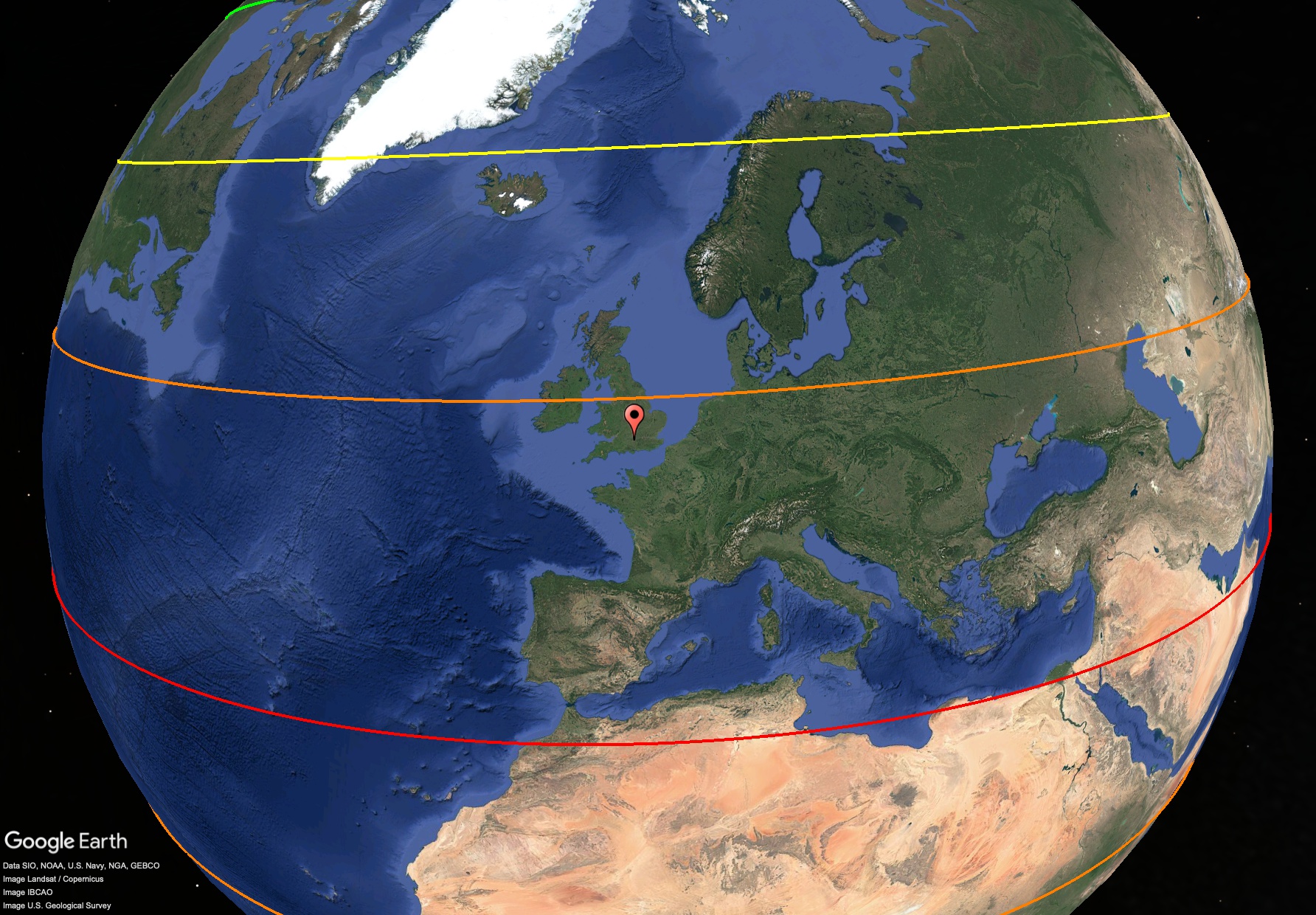
Fossils of the hippopotamus and spotted hyena indicate that Britain had a humid subtropical climate 130,000 years ago. This is consistent with the North Pole being located in the Bering Sea north of the Aleutian Islands at that time. (Google Earth)

As the archaeological implications of crustal displacement theory were covered in Before Atlantis and Beyond Atlantis, the last article in this series delves into the search for an underlying mechanism.


Feature image at the top of the article: Meridians to sites aligned to the current pole (white) and four previous locations of the North Pole in Hudson Bay (magenta), the Norwegian Sea (yellow), Greenland (green), and the Bering Sea (red). (Google Earth)

An Inconvenient Theory: Part 1 – The Anomalies

An Inconvenient Theory continues the search for evidence of ancient civilizations that may have existed long before the end of the last Ice Age. While many researchers have focused on deciphering the technologies behind so-called “out of place” artifacts, my first book, Before Atlantis, takes a different approachโ€”challenging mainstream views of prehistory by investigating site alignments with ancient geographic poles as potential markers of lost civilizations. Building on this foundation, my second book, Beyond Atlantis, presents compelling evidenceโ€”drawn from the alignments of over 500 ancient sites to four former pole locationsโ€”that multiple advanced civilizations may have existed across the globe over the past 130,000 years.

That so many sites seem to point to these four locations had to mean something. The odds of this happening by chance were virtually zero. At a recent conference, someone said the statistical significance of the alignments cannot be disputed, only the dating, and went on to suggest that I should change the dates to be more in line with “what we already know.โ€ The first three chapters in An Inconvenient Theory highlight key problems with current theories, with “what we already know.โ€ 

Chapter 1 – The Riddle of the Ice Ages

Earthโ€™s climate history is marked by dramatic shifts influenced by complex interactions among atmospheric composition, tectonic activity, and solar radiation. In Chapter 1, we show that ice ages, particularly during the Quaternary period, show strong correlations between temperature, COโ‚‚ levels, and sea level, though changes in these variables do not happen simultaneously. While Milankovich cyclesโ€”variations in Earthโ€™s orbit and tiltโ€”are thought to initiate glacial cycles by altering solar insolation, their weak correlation with climate proxies and the unresolved “100,000-year problem” suggest additional factors are needed to explain the timing and magnitude of ice ages. Climate feedbacks, especially from COโ‚‚ released during warming periods, appear to amplify small orbital changes and may better explain sea level shifts, yet challenges remain in explaining glaciations, indicating gaps in current climate theories.

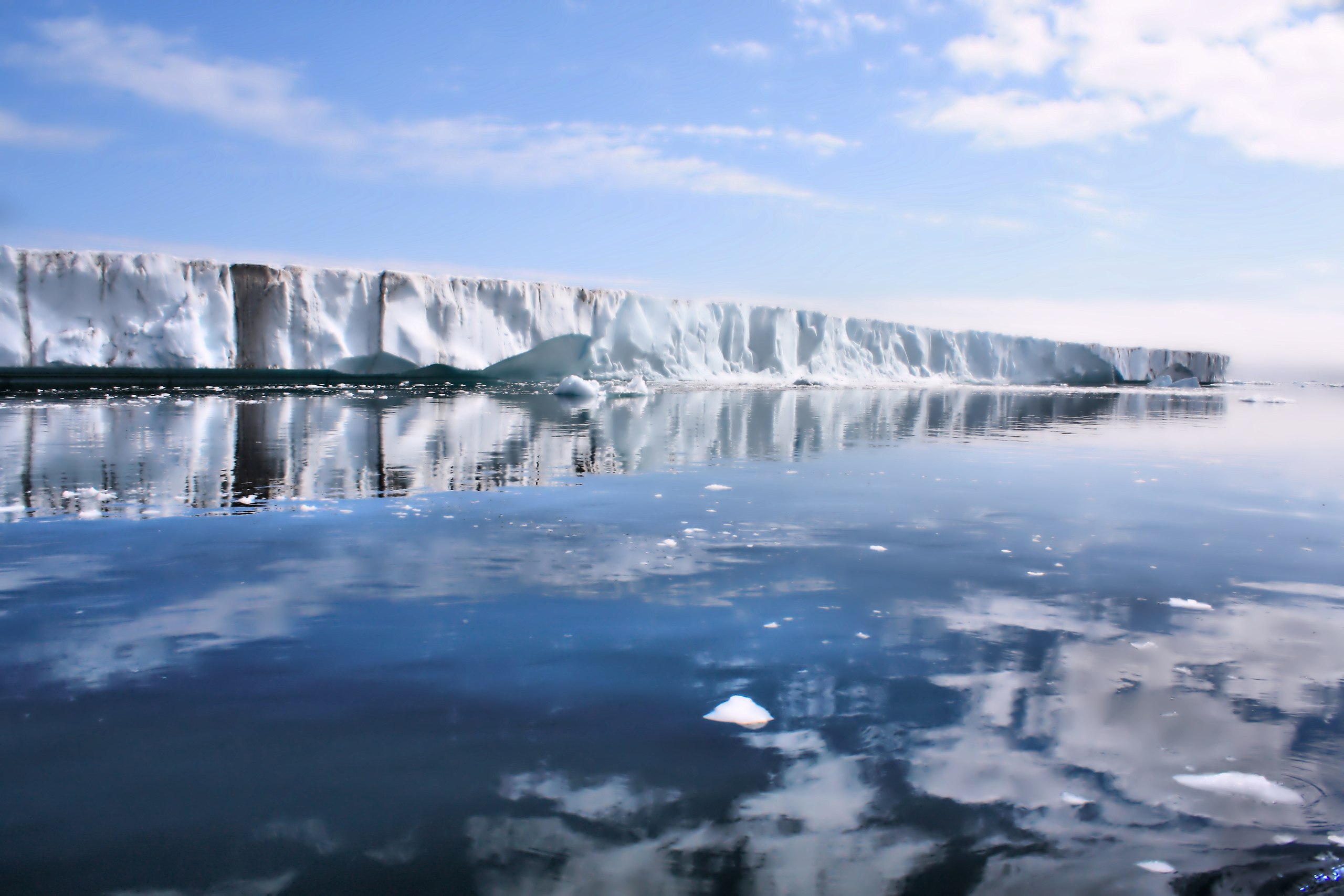
The riddle of how to melt ice in an unusually cold world remains unsolved and is the fundamental problem with current ice age/climate theories. (Christine Zenino/Creative Commons)

Chapter 2 – Mysteries of the Pleistocene

Chapter 2 explores a wide array of fossil discoveries that challenge conventional understandings of Earthโ€™s climatic and ecological history, particularly during the late Pleistocene. The Pleistocene Epoch, spanning from approximately 2.6 million to 11,700 years ago, was characterized by significant climatic fluctuations, leading to the formation and retreat of extensive ice sheets across the globe. These dynamic environmental changes influenced the distribution and evolution of diverse megafauna, including woolly mammoths, giant ground sloths, and saber-toothed cats. Fossil discoveries in regions like the Arctic, Sahara, and Australia reveal that these areas once hosted ecosystems vastly different from today’s, indicating dramatic shifts in climate and habitat. Ultimately, the chapter underscores how puzzling fossil records from diverse locations point to episodes of extreme environmental transformation during the late Quaternary that are not fully explained by current scientific models.

Mammoth sites ranging from above the Arctic Circle to Mexico are hard to explain in terms of current climate models. (Google Earth)

Chapter 3 – As Above, So Below?

The concept of “As Above, So Below” from Hermetic philosophy suggests a fundamental unity between the cosmos and the Earth, an idea that has long inspired the alignment of ancient structures with celestial phenomena. Archaeoastronomyโ€”the study of how ancient people understood and utilized astronomical eventsโ€”has uncovered evidence that many sites across the globe were deliberately oriented to align with the Sun, Moon, stars, or cardinal directions, as seen in places like Stonehenge, Karnak, and Chichรฉn Itzรก. Pioneers such as Norman Lockyer and Alexander Thom proposed bold theories about these alignments, some controversial, laying the foundation for this multidisciplinary field. As we see in Chapter 3, despite significant progress, a large fraction of ancient site orientations remain unexplained, with places like Teotihuacan, Machu Picchu, and Baalbek defying easy categorization. These enigmatic alignments challenge modern researchers to consider not only astronomical, but also cultural, geographical, and possibly unknown factors in interpreting the intentions of ancient builders, leaving the question open as to whether deeper, perhaps lost knowledge once guided these monumental designs.

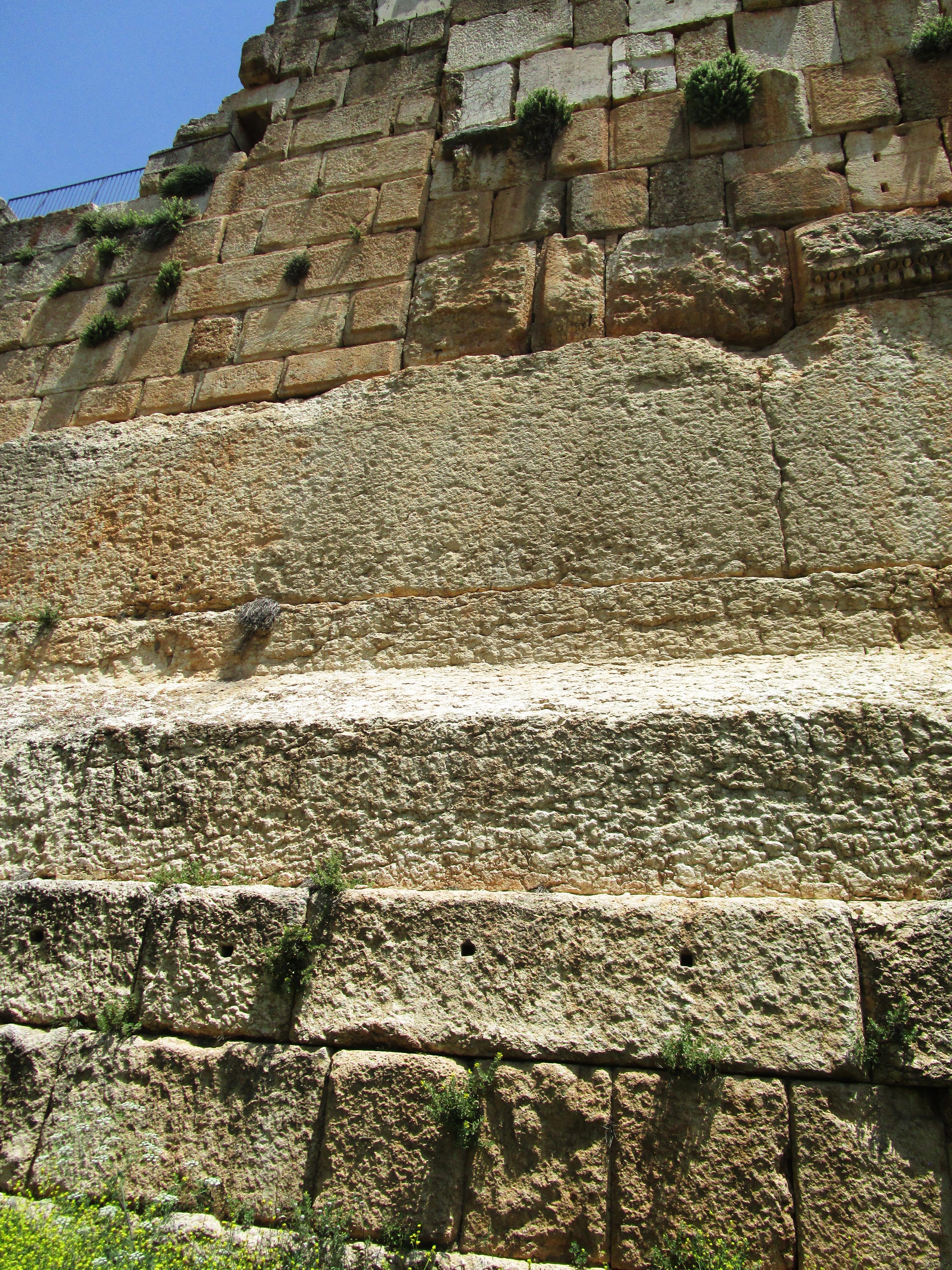
The foundation of Baalbek, which is constructed from some of the largest megaliths in the world is not aligned in any known geographical/astronomical direction. (Creative Commons/ Lodo27)

The next article describes how these unexplained problems or anomalies drive the scientific process of coming up with new hypotheses, experiments, and ultimately a new theory.ย 


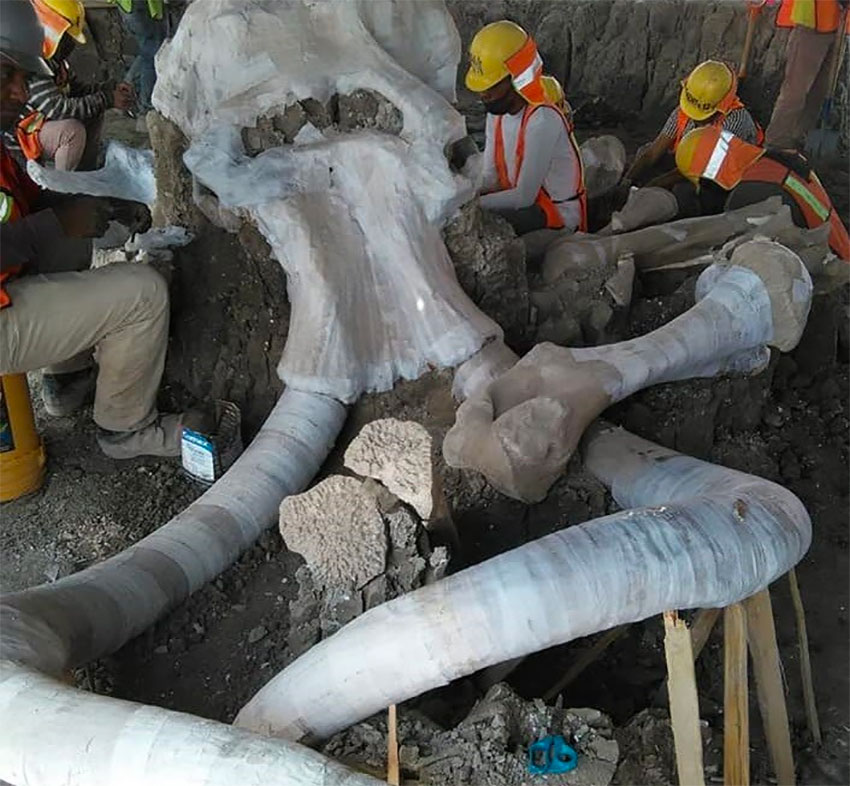
Feature image at the top of the article: Mammoth remains radiocarbon dated 10,000โ€“20,000 years before present unearthed near Mexico City in 2020. (Mexico News Daily)

An Inconvenient Theory: Of Ice Ages and Lost Civilizations

In Before Atlantis, I presented evidence that advanced civilizations existed throughout the world during the last ice age. My claim was based on over a hundred ancient sites that appeared to point to previous positions of the North Pole. That Earthโ€™s North Pole not only shifted during the last ice age but was responsible for it was a revolutionary idea proposed by Charles Hapgood in his 1958 book Earthโ€™s Shifting Crust. Its publication was somewhat ill-timed in that his theory of crustal displacement was almost immediately dismissed as the emerging theory of plate tectonics, which explained the movement of the continents โ€“ an idea first proposed by Alfred Wegener in the early 20th century, was becoming a dominant paradigm in the geosciences. There were also technical problems with his theory, in particular, Hapgoodโ€™s contention that crustal displacements were caused by a buildup of ice at the poles, an idea that was later shown to be wrong.

Historically, the geoscience community has rejected crustal displacement theory due to the lack of an identified physical process that can shift the crust thousands of miles in relatively short periods of time. The situation is not unlike Wegenerโ€™s theory of continental drift. In 1912, Alfred Wegener proposed that continents were once joined in a supercontinent called Pangaea and have since drifted apart. While he gathered compelling geological, fossil, and climatic evidence, his theory was rejected by many scientists because he could not explain how the continents moved. In the 1960s, Harry Hess proposed the idea of seafloor spreading, where new ocean crust forms at mid-ocean ridges and pushes older crust away. This process gave a mechanism that could move continents, supporting Wegener’s idea.

Long thought to be a theory lacking a plausible mechanism, my latest book, An Inconvenient Theory, explains crustal displacements within the context of existing theories in the geosciences, specifically that changes deep within the Earth can cause the crust at certain times to become “unlocked” from the mantle allowing Earth-Sun-Moon tidal forces, the same forces that move Earthโ€™s oceans, to move its crust. This newly revised and expanded theory of Earth crustal displacement goes beyond the scope of Hapgoodโ€™s original theory in that it connects past poles not only with glacial cycles/ice ages but with what could have been past ages of humanity and offers new hypotheses concerning human history.

In the next three articles, I will highlight how this new theory solves key problems in climate science, paleontology, and archaeology including:

  • Glacial cycles/ice ages – How massive amounts of ice can melt when global temperatures are coldest at the end of an ice age
  • Extreme late Pleistocene climate changes and mass extinctions – The presence of woolly mammoths from northern Mexico to above the Arctic circle, the Hippopotamus and other sub-tropical animals at one time in Britain, and Arctic fox and other animals native to polar climates at another time in Britain, and a paleolake in the middle of the Arabian desert, all within the past 130,000 years
  • Unexplained sites – Why the majority of archaeological sites, including the most enigmatic places in the world, are not aligned in any known direction.

The first article summarizes fundamental problems that current theories cannot explain. These problems or anomalies drive the scientific process of coming up with new hypotheses, experiments, and ultimately a new theory, which is discussed in the second article. The third article in the series proposes possible mechanisms behind crustal displacements.


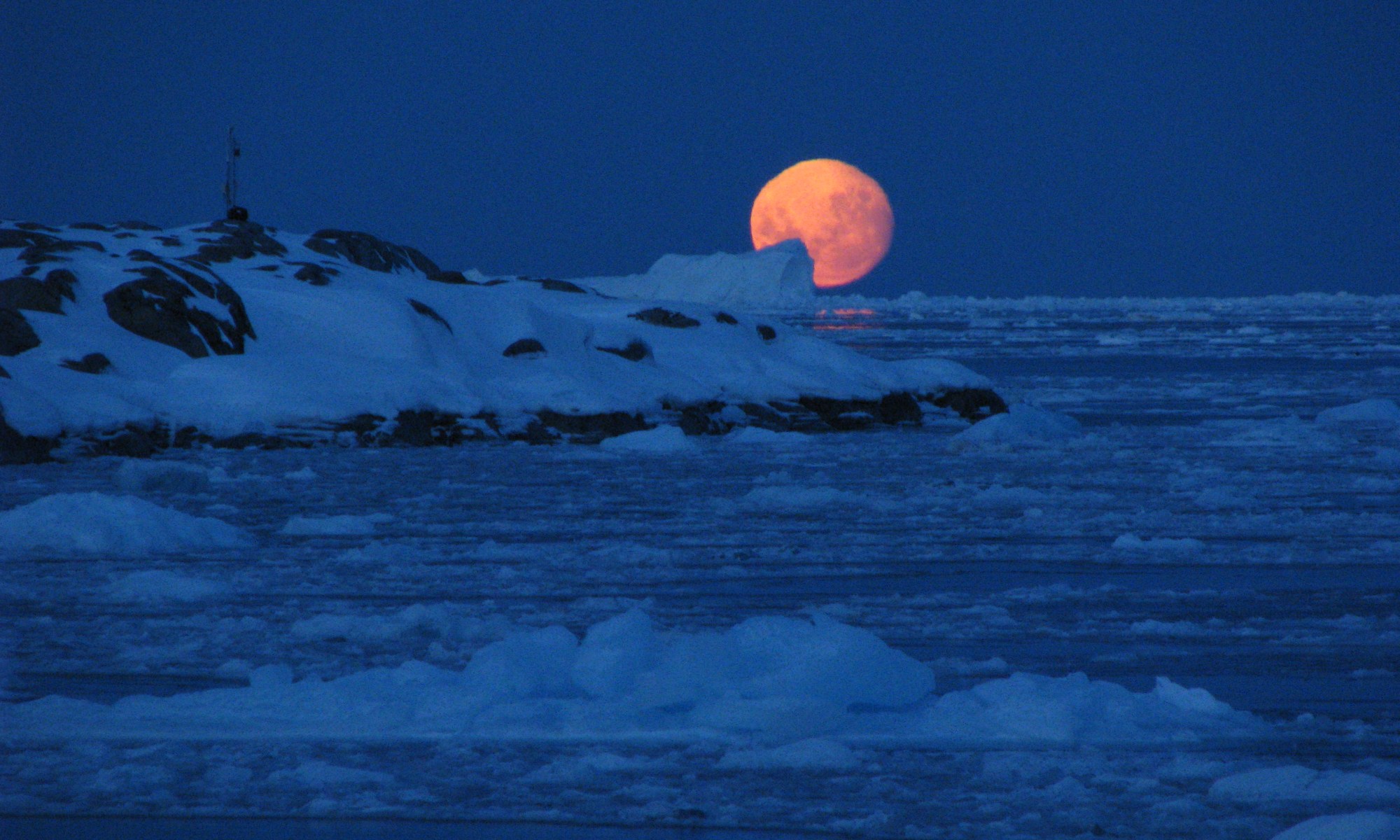
Featured image at the top of the article: “The moon sets behind Bonaparte Point, Anvers Island, across from Palmer Station, the U.S. Antarctic Programโ€™s smallest research station.โ€  September 2, 2009. Courtesy Ken Keenan/Creative Commons CC BY-NC-ND 4.0.