


Chapters 4-6 in An Inconvenient Theory show that crustal displacements can not only account for most unknown archaeological site alignments but could also be the “missing link” in understanding glacial cycles, ice ages, and certain mass extinctions. However, without an identified physical mechanism, the evidence, no matter how compelling, is not sufficient for it to be considered a proper scientific theory.
Tides of Change
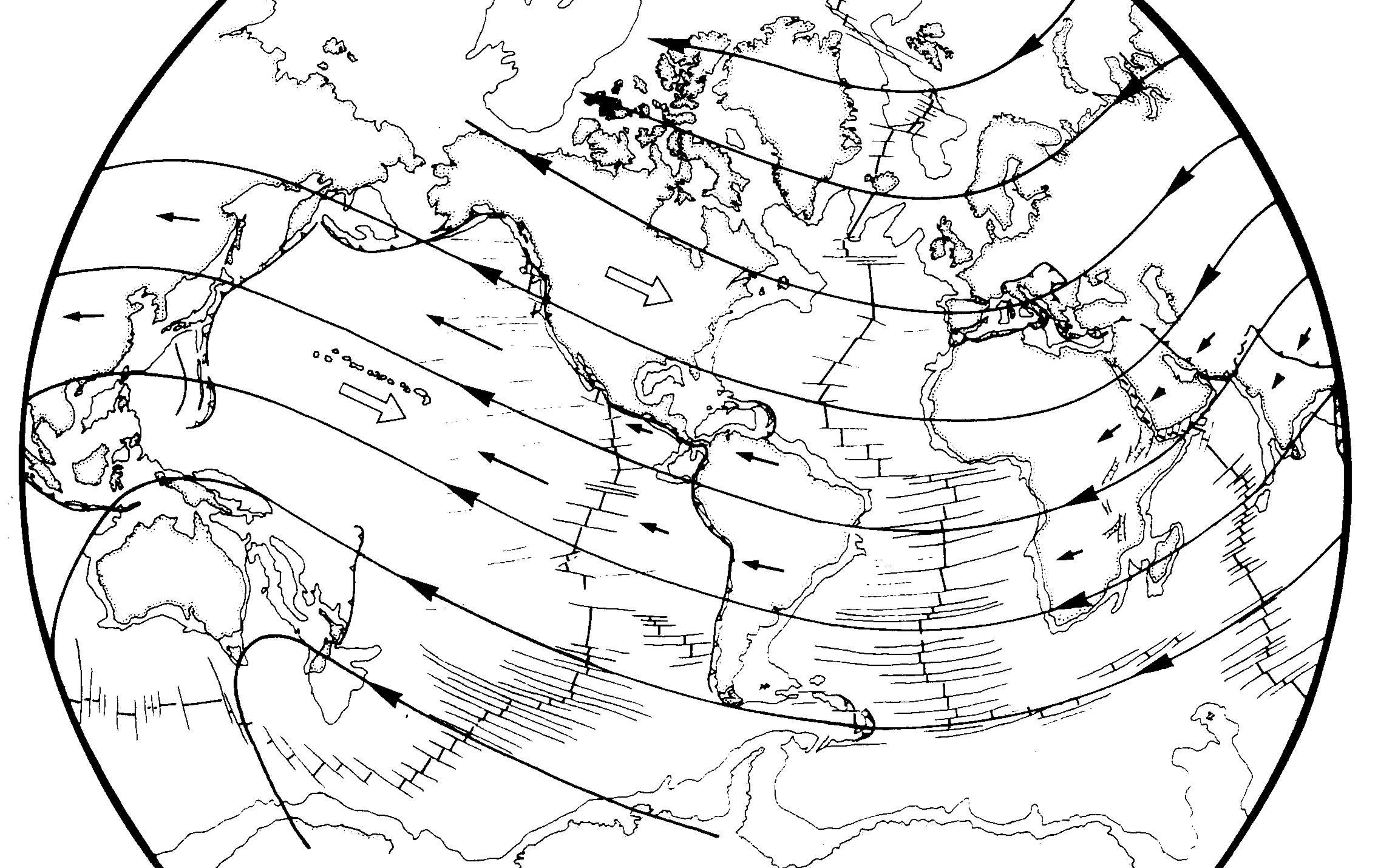
Hapgood originally believed that polar ice imbalances caused crustal shifts, but later abandoned this idea. Picking up from Hapgood left off, Chapter 7 builds on modern geoscience, proposing that Earth-Sun-Moon tidal forces through interactions in the low-viscosity zone (LVZ) beneath the lithosphere might cause the crust to periodically rotate westward relative to the mantle. Drawing from studies of lithospheric drift, the global tectonic pattern, and lunisolar influences on the theoretical rotational axis of the crust relative to the mantle, possible pole shift trajectories and timelines are determined over the last glacial cycle. It is argued that changes in the LVZ could effectively unlock the crust, allowing Earth-Sun-Moon tidal forces to shift the crustal thousands of kilometers over periods of several thousand to perhaps ten thousand years.
Cycles Within Cycles
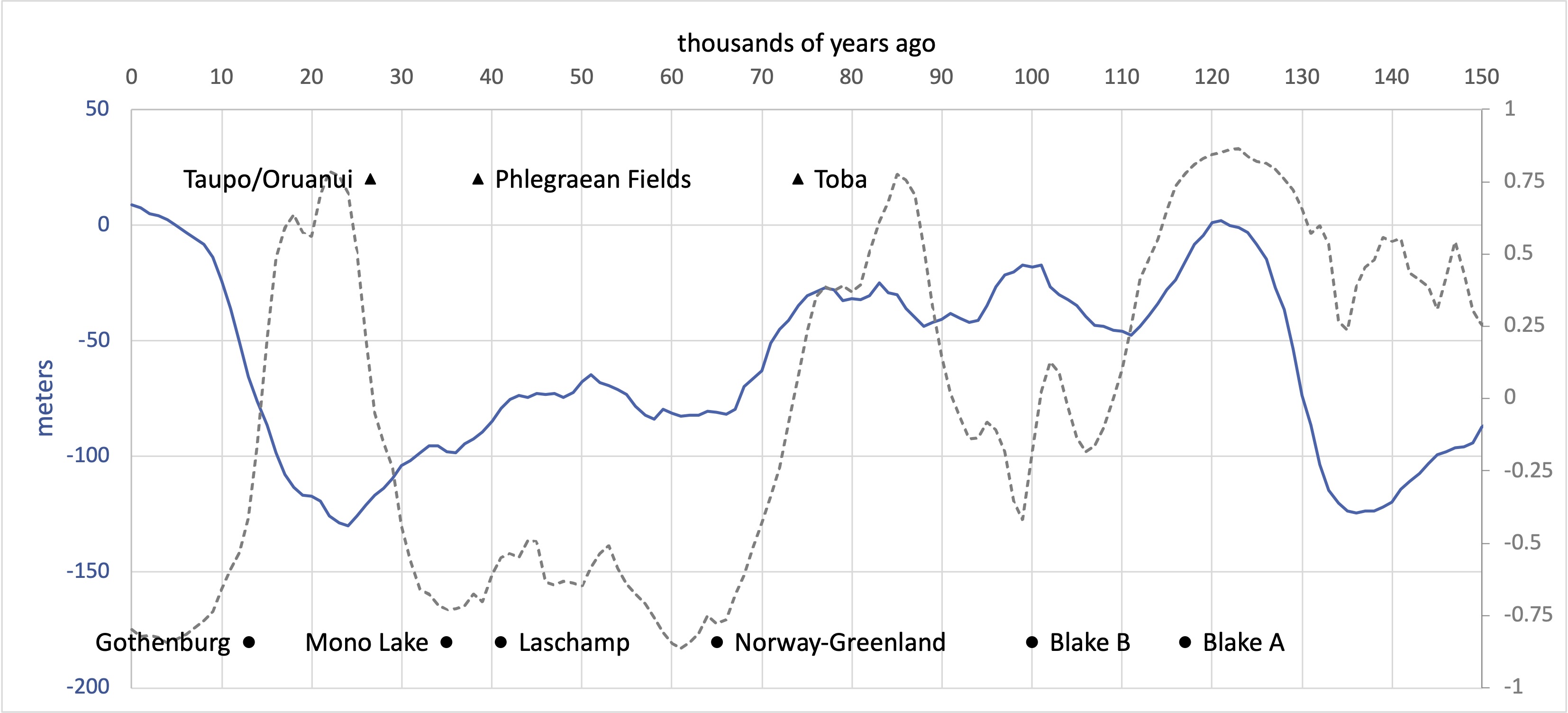
Chapter 8 explores the interconnectedness of Earth’s internal dynamics, focusing on how mantle convection may drive major geological and climatic phenomena such as geomagnetic field variations, mass extinctions, true polar wander, and supervolcanic eruptions. It discusses the fractal nature of Earth processes, with self-similar patterns seen across multiple timescales in ocean temperatures and geomagnetic activity. Evidence suggests correlations between geomagnetic excursions and temperature shifts, as well as between supervolcanic eruptions and pole shifts, all possibly rooted in fluctuations in mantle convection. The chapter raises the possibility that changes in mantle convection could be linked to pole shifts, supervolcanic eruptions, and extreme climatic changes—suggesting a deep, potentially cyclical mechanism underlying these and other surface-level phenomena.
The Next Ice Age
Chapter 9 examines the cyclical and fractal nature of Earth’s temperature and geomagnetic field changes, proposing that glacial cycles are not solely driven by solar radiation (Milankovich cycles) but by deeper geophysical forces such as mantle convection. Mantle convection may reduce the viscosity of the Earth’s LVZ, enabling crustal displacements that shift landmasses in and out of polar regions, thereby influencing global temperatures. The chapter argues that these forces work together, influencing the “shape” of the ice ages. It also discusses how global warming could end the current Quaternary Glaciation and forecasts a potential future pole shift that may once again trigger regional glaciation, particularly in Europe. Finally, the chapter examines the importance of the geomagnetic field in shielding Earth from cosmic radiation and speculates that ancient underground cities, such as those in Cappadocia, might have served as protection during periods of weakened magnetic shielding, like the Laschamp geomagnetic excursion 42,000 years ago.
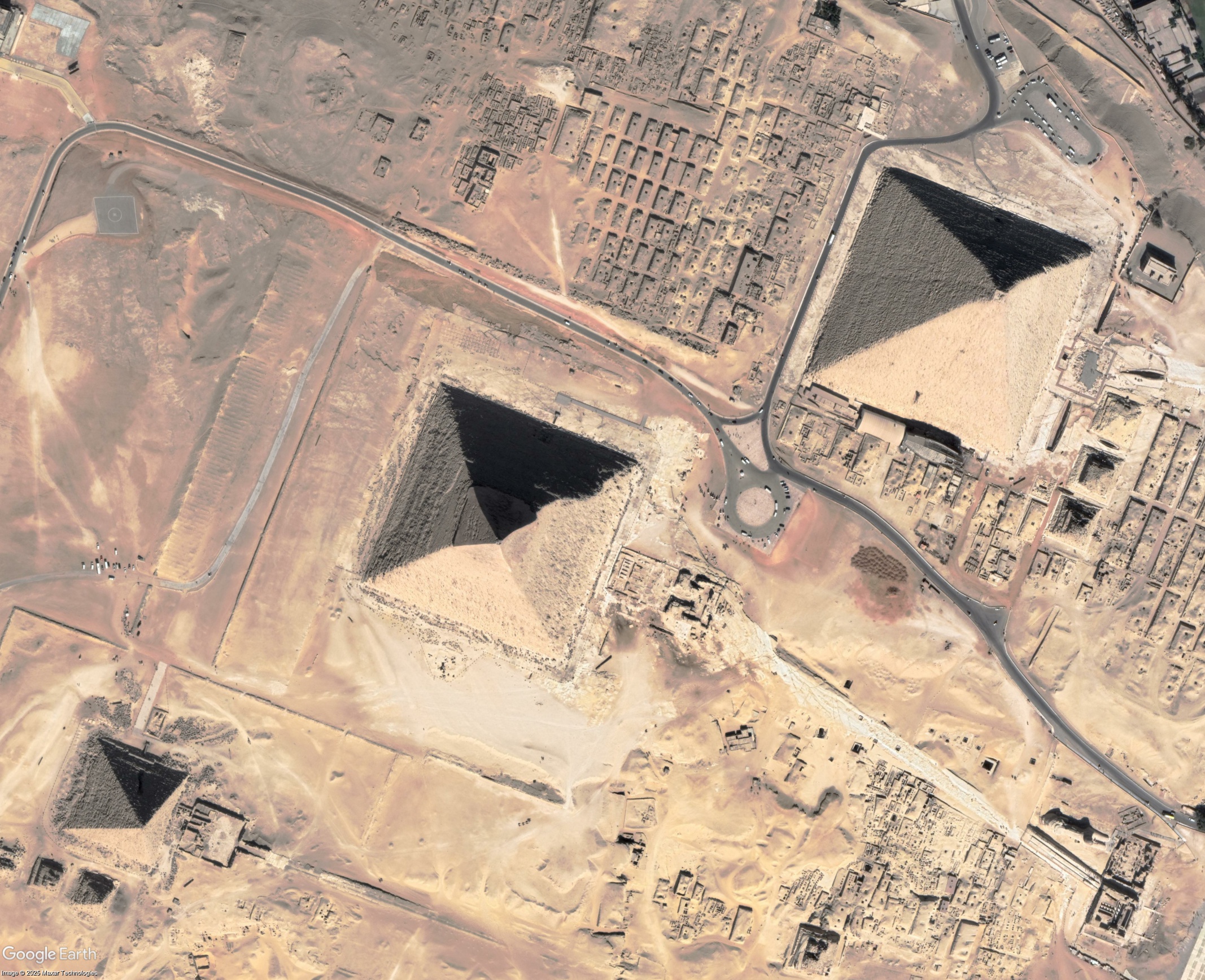
A final chapter summarizes the new theory, discusses lingering issues, and suggests new directions for future research and discovery.
Feature image at the top of the article: “King tide, Oregon coast.” (Bonnie Moreland/Creative Commons)

